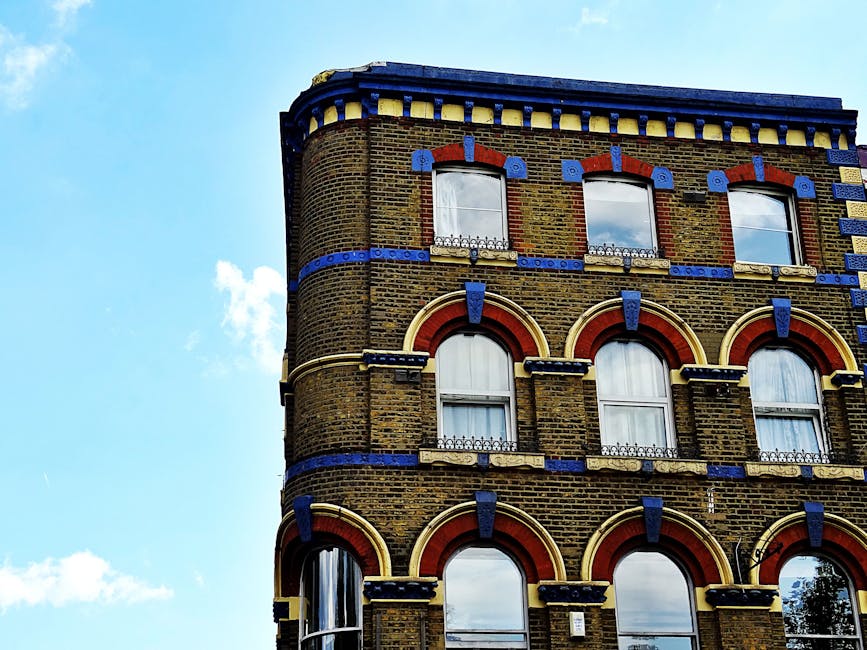
Moving From a Listed Building in Brixton: Legal Steps

Moving out of a listed building in Brixton can feel a bit like trying to carry a grand piano down a narrow staircase while keeping everyone calm and the walls untouched. There's the usual removal-day pressure, of course, but listed properties bring an extra layer of legal care. If you are dealing with Moving From a Listed Building in Brixton: Legal Steps, you need to think beyond boxes and vans. You may need consent for alterations, protection for historic features, careful building management, and sensible coordination with your movers.
This guide walks through the legal steps in plain English, with a focus on what matters before, during, and after the move. You'll find practical guidance, common mistakes, a checklist, and answers to the questions people usually ask when a move has heritage constraints and a tight London schedule. Let's face it, the paperwork is not the fun bit - but it can save you real stress later.
Why Moving From a Listed Building in Brixton: Legal Steps Matters
Listed buildings are protected because of their special architectural or historic interest. That protection does not stop you from moving out, but it does mean you need to be careful about anything that might affect the building's fabric, appearance, or setting. In Brixton, that can matter a lot, because many homes and conversions sit in older terraces, period blocks, or conservation-sensitive streets where access is awkward and property managers tend to be cautious.
The legal side matters for three main reasons. First, you want to avoid accidental damage to original features such as stair rails, plasterwork, sash windows, tiled floors, or doors. Second, you need to know whether any temporary changes for moving day require permission. Third, if the property has leasehold or shared-building rules, you may need approval for lift use, parking, time slots, or contractor access. Miss one of those, and a simple move can become a very annoying back-and-forth. Nobody wants that on a Friday afternoon with the kettle already packed.
There is also a practical reputation issue. If you live in a managed building, the way you leave matters. A careful, documented move helps maintain goodwill with the freeholder, managing agent, neighbours, and any future buyers or tenants. That sounds small until you are the person trying to get a last-minute loading bay approval.
Key takeaway: moving from a listed building is not just a removals job. It is a combination of property compliance, access planning, protection of historic features, and sensible coordination with your removal team.
How Moving From a Listed Building in Brixton: Legal Steps Works
The process usually starts with checking what kind of property you are leaving. A freehold house, a leasehold flat, and a converted building can each involve different rules. From there, you identify any restrictions that may apply to the move itself. Often, the legal issue is not the removal van driving off with your furniture; it is the temporary or physical changes needed to get items out safely.
For example, you may need permission to prop open a communal door, to protect a staircase with coverings, to reserve a lift, or to use a particular entrance. In some buildings, even tape, floor protection, or temporary signage has to be agreed in advance. Sounds overcautious? Maybe. But in older buildings, the margin for error is small.
You should also check whether any of your belongings or moving equipment could create risk. Oversized sofas, antique mirrors, heavy wardrobes, and awkward appliances often need special handling. That is where services like packing and unpacking support or a careful man and van service can be genuinely useful, especially when the building layout is tight and there are stairs that seem to get steeper by the day.
Once permissions are clear, the legal steps and the practical steps should run together:
- confirm any consents or building approvals needed;
- book access and parking arrangements;
- protect the building's original features;
- brief the movers on any limitations;
- keep a record of approvals, photos, and any condition notes.
That last point matters more than people expect. A few time-stamped photos before and after the move can save a lot of discussion if there is later a question about scuffs, marks, or damage. Quietly useful, that.
Key Benefits and Practical Advantages
Doing the legal groundwork properly is not just about avoiding trouble. It also makes the move easier, faster, and more predictable. When you know what is allowed, your removal team can plan the route, equipment, and timing properly instead of improvising on the pavement with everyone watching.
Some of the most practical advantages include:
- Less risk of property damage: original finishes and delicate surfaces stay protected.
- Fewer access delays: approvals for parking, lifts, and loading are arranged in advance.
- Better communication: neighbours, agents, and movers know what to expect.
- Reduced liability worries: you are less likely to be blamed for avoidable damage or rule breaches.
- Cleaner handover: you leave the property in a better state, which helps with deposits, final inspections, or sale completion.
There is a commercial upside too. If you are moving out of a listed building because you are relocating a business, archiving stock, or shifting equipment, you can reduce disruption by using structured services like commercial moves or office relocation services. The legal principles are similar, but the logistics are often more demanding. Boxes, cables, printers, and filing cabinets have a way of multiplying overnight.
And if the move involves bulky or single-item transport, a properly sized vehicle matters. A moving truck or removal truck hire option can be the difference between one tidy run and three stressful trips.
Who This Is For and When It Makes Sense
This topic matters to anyone leaving a listed home, flat, or mixed-use property in Brixton where heritage rules or building management conditions apply. It is especially relevant if you are:
- moving out of a Grade II or otherwise listed residence;
- leaving a period conversion with shared access;
- handling a leasehold flat with strict building rules;
- relocating an office, studio, or small business from a historic building;
- moving valuable, fragile, or oversized items through narrow or protected areas.
If your move is simple, ground-floor, and the building has no restrictions, you may not need much beyond standard removal planning. But in many Brixton properties, the reality is not that neat. Staircases are tight. Parking can be awkward. Loading windows can be short. And a historic doorway does not exactly forgive clumsy handling.
To be fair, many people only realise the legal side exists once the managing agent asks for a risk assessment or insurance details. That is normal. The smart move is to ask early, then work backward from what the building allows.
Step-by-Step Guidance
Here is a practical sequence you can follow. It is not glamorous, but it works.
- Check the property status. Confirm whether the building is listed, whether it is in a conservation area, and whether your tenancy, lease, or title includes special restrictions.
- Read the building rules. Look for moving hours, lift booking rules, corridor protection requirements, parking permissions, and contractor access procedures.
- Ask what needs approval. Some buildings only need notice. Others need written consent for temporary changes such as door propping, floor coverings, or use of communal areas.
- Plan the route out. Identify narrow stairs, low ceilings, awkward corners, fragile finishes, and any areas where your items may need dismantling.
- Book the right moving help. If the move is straightforward, a smaller team may work well. If access is tricky, consider experienced house removalists who understand careful handling in period properties.
- Protect the building. Use floor runners, blankets, corner guards, and door protection where permitted. Avoid adhesive products that could damage paint or plaster.
- Document everything. Keep emails, permissions, insurance confirmations, and photos. Boring? Yes. Useful? Absolutely.
- Do a final walk-through. Check for forgotten items, marks, loose fittings, or anything that may need reporting before you leave the keys behind.
If you need help with the physical side of the move, services such as home moves can be a good fit for households leaving a listed property, while smaller loads may suit man with van support. Different moves need different setups. There is no one-size-fits-all answer, which is mildly annoying but true.
Expert Tips for Better Results
Here are the details that tend to separate a smooth move from a messy one.
- Start earlier than you think. Listed building approvals can take time, especially if more than one party has to sign off.
- Be specific in requests. Don't just say you are moving out. Explain what access you need, what furniture is involved, and how long the work will take.
- Use the safest exit route. The shortest route is not always the safest one. Sometimes a wider communal entrance is better than a narrow private stair.
- Disassemble before moving day. Wardrobes, bed frames, shelving, and large desks often come out more safely when broken down in advance.
- Label fragile items clearly. Not every box needs a warning sticker, but glass, ceramics, and antique items probably do.
- Tell the movers what matters most. If one item has heritage or sentimental value, say so early. People are more careful when they know.
A small but useful tip: keep the permissions and the building contact details together in one folder, digital and paper if possible. On moving day, your phone battery might be low, a courier might be waiting, and someone will inevitably ask, "Who approved the lift booking again?"
If you want to understand the company behind the service options, a quick look at about us can help, and if you need to clarify timings or arrangements, the contact page is the sensible place to start. Straightforward and no drama, which is exactly what you want.
Common Mistakes to Avoid
Most move problems in listed buildings are not dramatic legal disputes. They are small oversights that snowball. Easy enough to prevent, but easy enough to miss too.
- Assuming normal moving rules apply. Historic properties often need more notice and more care.
- Forgetting the lease or building handbook. Many people read the contract only after there is a problem. Bit late then.
- Using the wrong vehicle. A vehicle that is too large can block access or breach parking conditions. Sometimes a smaller van makes more sense than a huge lorry.
- Not checking insurance. Make sure the mover's cover is suitable for the property type and the items being handled.
- Leaving floor or wall protection until the last minute. In older buildings, one slip can be surprisingly visible.
- Ignoring neighbours and shared users. A well-timed notice can prevent complaints and awkward hallway conversations.
One surprisingly common issue is forgetting to tell the moving team that a building has fragile interior details. Decorative plaster, polished timber, and original stone can look tougher than they are. They aren't. A careful mover will know, but only if you tell them where the risks are.
Tools, Resources and Recommendations
You do not need specialist legal software to handle this, but you do need a tidy system. A few practical tools make life much easier:
- Document folder: keep permissions, inventory notes, insurance details, and contact names in one place.
- Phone camera: use it for room condition photos before loading starts and after the property is cleared.
- Label set: mark fragile boxes, dismantled parts, and "do not load until last" items.
- Simple moving plan: note the access time, route, vehicle, and any building restrictions.
For particularly bulky or awkward items, a dedicated furniture pick up service can be helpful when you need individual items removed carefully rather than arranged as a full-house move. That can matter in listed buildings where a sofa or cabinet is too awkward to navigate safely without extra handling.
If you are moving a larger load and need additional capacity, a moving truck or removal truck hire can reduce repeat trips. If the move is lighter but still needs a professional hand, a smaller team can sometimes be the better fit. The trick is matching the tool to the job, not the other way around.
Law, Compliance, Standards, or Best Practice
With listed buildings, the legal principle is simple even if the paperwork is not: avoid unauthorised work or damage to protected parts of the building. In practice, that means checking whether any temporary changes, access arrangements, or protective measures need permission from the owner, managing agent, or other responsible party.
Depending on the property, you may also need to consider lease terms, building management rules, health and safety expectations, and common-sense site protection. The exact legal position can vary, so if you are unsure, get clarification before the move. That applies especially where communal areas, heritage finishes, or access routes are shared with other residents.
Best practice usually includes:
- getting written approval for any special arrangements;
- keeping access routes clear and well protected;
- avoiding anything that could leave residue or marks;
- using insured movers with experience in careful handling;
- documenting the condition of the property before and after the move.
For businesses, the same basic idea applies but the stakes are often higher because there may be equipment, records, or client-facing operations involved. If your organisation is relocating from a heritage property, office relocation services or commercial moves are often the more sensible route than trying to patch together a one-off solution.
And a small reminder: compliance is not only about avoiding fines or disputes. It is also about showing respect for the building itself. Older properties deserve that, frankly.
Options, Methods, or Comparison Table
Not every move from a listed building needs the same approach. Here is a simple comparison to help you think through the options.
| Approach | Best for | Strengths | Potential drawbacks |
|---|---|---|---|
| Small van move | Light loads, tight access, short distances | Flexible, easier to park, often simpler for restricted streets | May require more than one trip |
| Full removal team | Households with larger furniture or multiple rooms | More hands, better for careful lifting and protection | Needs more planning and space |
| Truck hire | Large volumes, longer moves, business relocations | Higher capacity, fewer trips | Can be awkward if access is limited |
| Mixed approach | Complex properties with fragile access but varied load sizes | Flexible and often efficient | Requires good coordination |
If your building access is tight, a smaller-scale service such as man and van or man with van may be more practical than a larger vehicle. If the move is a full property clearance, a vehicle-backed option may be better. There is no prize for choosing the biggest truck if it cannot get near the building.
Case Study or Real-World Example
Imagine a couple leaving a listed flat in Brixton after living there for seven years. The building has original wooden stairs, a shared entrance hall, and a strict no-obstruction policy in the common areas. They also have a bulky sofa, a heavy bookcase, and several framed prints they do not want scratched.
Instead of turning up on moving day and hoping for the best, they first check the lease, speak to the managing agent, and confirm that access can be booked for a narrow morning window. They are asked to protect the hallway flooring and avoid adhesive tape on painted surfaces. Fine. They arrange moving blankets, box up fragile items separately, and split the move into two loads. One load goes by a careful small team; the other is handled once the larger furniture is dismantled.
The move takes longer than a casual, unplanned one might have done, but there are no hallway disputes, no damaged bannisters, and no surprise complaints from neighbours. Everyone leaves in better shape than they arrived. Truth be told, that is the whole point. A move like this is rarely about speed alone; it is about getting out cleanly and respectfully.
If that couple had not checked the rules first, they might have discovered the access restrictions too late and had to scramble for a different vehicle. Not disastrous, but tiring. And moving is tiring enough already.
Practical Checklist
Use this checklist before moving out of a listed building in Brixton:
- Confirm whether the property is listed and whether any conservation or leasehold rules apply.
- Read building instructions for access, parking, lift use, and moving hours.
- Get written permission for any temporary protection or special arrangements.
- Check mover insurance and make sure it suits the property and contents.
- Measure stairways, doorways, and tight corners.
- Disassemble large furniture where safe to do so.
- Protect floors, walls, and doors with approved coverings.
- Notify neighbours or the building manager if required.
- Take clear photos before and after the move.
- Keep all approvals, notes, and contact details in one folder.
- Do a final sweep for forgotten items and condition issues.
If you are still deciding which service setup fits your move, browsing the available options on home moves and removal truck hire can help you compare scale, timing, and access needs without guessing. That little bit of planning pays back fast.
Conclusion
Moving from a listed building in Brixton is perfectly manageable when you treat it as both a legal and practical task. The key is to check permissions early, respect the building's historic features, and choose a moving setup that fits the property rather than forcing the property to fit the move. That simple shift in thinking makes a big difference.
Handled well, the move feels calm, coordinated, and oddly satisfying. You leave the property in good order, avoid unnecessary drama, and make life easier for everyone involved. Not bad for a job that usually begins with cardboard, coffee, and a slightly panicked to-do list.
Get a free quote today and see how much you can save.
With the right preparation, even a complicated heritage move can end on a steady, hopeful note.
Frequently Asked Questions
Do I need permission to move out of a listed building?
Usually you do not need permission simply to vacate the property, but you may need approval for access arrangements, temporary protections, or any change that affects shared or protected parts of the building. Always check the lease, building rules, and management requirements first.
What makes a listed building move different from a normal house move?
The main difference is sensitivity. Listed buildings often have protected features, tighter access, and more rules around communal areas, parking, and temporary adjustments. The move itself may be ordinary, but the way you carry it out needs more care.
Can movers use tape, floor runners, and protection inside a listed property?
Sometimes yes, but only if the materials and methods are suitable and allowed by the building rules. Some historic finishes can be damaged by adhesive or by heavy protection left in place too long, so it is best to confirm what is acceptable before using anything.
Should I tell the managing agent before moving day?
Yes, in most cases you should. Many buildings need advance notice for lift bookings, parking, loading access, or contractor entry. A quick early conversation can prevent last-minute problems and help the move run on time.
What if my furniture will not fit through the stairwell?
Then you may need to dismantle it, use a different route, or arrange a smaller or more flexible moving setup. This is where planning really helps, because once you are standing in a narrow hallway with a wardrobe that is clearly too wide, options feel fewer than they looked on paper.
Are there special insurance issues with listed buildings?
There can be. You should check that the removal company has suitable insurance for the items being moved and for any accidental damage that could affect the building. If anything is unclear, ask for confirmation in writing before the move.
Is a smaller van better for a listed building in Brixton?
Often, yes, especially where parking is limited, access is tight, or the street is awkward for larger vehicles. A smaller van can make loading easier and reduce the chance of access problems. For bigger moves, though, a larger vehicle may still be more efficient if it can be accommodated safely.
What records should I keep after the move?
Keep permissions, emails, photographs, mover details, and any condition notes. These records are useful if there is a later question about access, damage, or building compliance. It is not exciting paperwork, but it can be incredibly useful.
Can I move heavy antiques or fragile fixtures myself?
You can if it is safe and permitted, but for heavy antiques or delicate items it is often better to use experienced movers. Listed buildings and valuable contents are a poor combination for rushed lifting, no matter how confident everyone feels at 8 a.m.
What is the safest first step if I am unsure about the rules?
Start by checking your lease or title documents and then contact the property manager or freeholder for clarification. If you are still uncertain, speak to a professional mover who has handled older properties before. A five-minute question now can save a five-hour headache later.
Can I use the same moving plan for a house and an office in a listed building?
Not quite. The core principles are similar, but office relocations usually involve more equipment, tighter scheduling, and a different risk profile. That is why dedicated options such as office relocation services or commercial moves are often more suitable for business settings.
What if the building has very strict move-out rules?
Then your best option is to work with the rules rather than around them. Book early, keep your plans flexible, and choose movers who are used to careful, controlled access. A strict building is not necessarily a problem; it just means you need a cleaner plan.