Narrow Stairs? Safe Moves for Brixton Victorian Homes
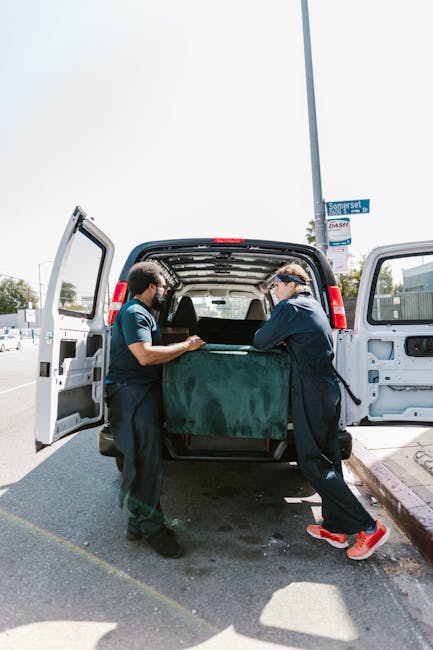
Moving in a Brixton Victorian home can feel like solving a very polite but awkward puzzle. The rooms may be lovely, the cornices may be original, and the front door may open to a staircase that seems to have been designed before wardrobes, mattresses, or washing machines were ever invented. If you are trying to plan Narrow Stairs? Safe Moves for Brixton Victorian Homes, the challenge is usually not the distance of the move. It is the turning, lifting, angling, and protecting of both the property and your back.
This guide walks through how to move safely in tight Victorian stairwells, what makes these homes different, and how to reduce damage, delays, and stress. You will find practical step-by-step advice, expert tips, a comparison of moving methods, and a realistic checklist you can actually use on moving day. If you want a smoother home move, a bit of planning goes a long way.
Table of Contents
- Why Narrow Stairs? Safe Moves for Brixton Victorian Homes Matters
- How Narrow Stairs? Safe Moves for Brixton Victorian Homes Works
- Key Benefits and Practical Advantages
- Who This Is For and When It Makes Sense
- Step-by-Step Guidance
- Expert Tips for Better Results
- Common Mistakes to Avoid
- Tools, Resources and Recommendations
- Law, Compliance, Standards, or Best Practice
- Options, Methods, or Comparison Table
- Case Study or Real-World Example
- Practical Checklist
- Conclusion
- Frequently Asked Questions
Why Narrow Stairs? Safe Moves for Brixton Victorian Homes Matters
Victorian houses in Brixton often have narrow staircases, tight landings, awkward turns, and solid walls that do not forgive a careless bump. That matters because moving is not just about getting items from A to B. It is about avoiding damage to the home, keeping bulky furniture intact, and preventing injury when a sofa catches on a banister or a chest of drawers tilts unexpectedly.
To be fair, some moves go fine with a couple of careful helpers. But when a staircase is steep, the hallway is narrow, and the item is too long to pivot comfortably, the risks rise quickly. A scratched wall is annoying. A strained shoulder is worse. A dropped table can turn a moving day into a much longer story than anyone wanted.
There is also the practical side. Victorian layouts can make timing more complex because one blocked stairwell can slow the entire move. If you are leaving a family home, a rental, or a property that needs to be left tidy by the end of the day, those delays matter. This is why many people look at specialist house removalists or a flexible man and van service when they realise a standard approach may not be enough.
One small Brixton truth: the charm of the house often arrives with the inconvenience of the stairs. That is not a complaint, just reality. And once you plan for it properly, the move becomes a lot less dramatic.
How Narrow Stairs? Safe Moves for Brixton Victorian Homes Works
The safe way to move through narrow stairs is a combination of measurement, preparation, lifting technique, and choosing the right moving method. It is not a single trick. It is a sequence.
First, the team or homeowner checks the dimensions of the most difficult items: sofa depth, bed frame length, wardrobe width, and appliance height. Then the route is assessed. That means the staircase width, the tightest corners, the headroom, the landing space, and whether handrails, light fittings, or door frames need temporary protection.
Next comes the decision about whether to dismantle, wrap, or carry as-is. In older homes, a flat-pack wardrobe that has already been assembled upstairs may need to come apart before it can leave. A dining table may need legs removed. A mattress may need a protective cover and a two-person carry. A washing machine, meanwhile, is usually a different beast altogether and may need a dolly, straps, and a steadier route down.
The moving method matters too. A smaller load can sometimes work well with man with van support, especially if access is limited and the job needs speed and flexibility. Bigger house moves may be better handled through home moving services with more hands, packing support, and a larger vehicle. If you are shifting heavy or awkward items, a moving truck or removal truck hire may be the safer and more efficient choice.
The real secret? Slow is often faster. A careful move down a tight stairwell usually saves time overall because there is less stopping, less re-lifting, and fewer "hang on, it's stuck" moments. And yes, those moments do happen.
Key Benefits and Practical Advantages
Doing a narrow-stair move properly gives you more than just peace of mind. It protects the home, the furniture, and the people doing the lifting.
- Lower risk of damage: Walls, paintwork, spindles, and plaster are easier to protect when the route is planned in advance.
- Less physical strain: Proper handling and the right team reduce the chance of back strain, slips, or finger traps.
- Faster decision-making: If you already know what can be carried, dismantled, or wrapped, the day runs more smoothly.
- Better use of space: Victorian stairs often need items to be turned diagonally, moved in sections, or carried at a slight angle.
- Fewer surprises: A measured approach helps you spot problems before they become a blockage halfway down the stairwell.
There is also a less obvious benefit: confidence. When everyone on site knows the plan, people move more calmly. Nobody is rushing, nobody is guessing, and the whole process feels under control. That is worth a lot on a busy moving day, especially if children, pets, or neighbours are also part of the picture.
If you are moving a mix of large furniture and smaller boxes, services like packing and unpacking services can make a real difference. Boxes that are well packed are easier to stack, lift, and carry through tight spaces without the bottom suddenly giving way. Ask anyone who has had a box of books split on a landing. Not fun.
Who This Is For and When It Makes Sense
This approach is for anyone moving in or out of a Victorian property with limited stair access. That includes renters, homeowners, landlords arranging tenant changes, and families moving between homes in and around Brixton.
It makes especially good sense if you have:
- Large sofas or corner units
- Antique furniture that cannot be bent, folded, or dragged without risk
- Heavy wardrobes, bed frames, or appliances
- Homes with narrow landings or sharp stair turns
- Shared entrances where time and noise need to be managed carefully
- A move that needs to be completed quickly and cleanly
It is also relevant if you are not sure whether your items will fit. That uncertainty alone is a sign to plan properly. We have seen plenty of moves where the biggest issue was not the weight, but the geometry. A sofa that looks fine in the lounge can suddenly look enormous at the top of a staircase. Funny how that happens.
If your move involves only a few items, a focused furniture pick-up may be enough. If you are moving out of a flat with a single tricky staircase and a couple of bulky pieces, a smaller service can be a very sensible middle ground.
Step-by-Step Guidance
Here is a practical way to approach a narrow-stair move in a Brixton Victorian home.
- Measure first. Check the width of the staircase, the landing depth, and the longest item you need to move. Measure twice if needed. It sounds basic, but it saves headaches.
- Walk the route. Look for low ceilings, sharp corners, banisters, picture rails, and door handles that could catch.
- Decide what must be dismantled. Bed frames, table legs, shelving, and some wardrobes can often be taken apart to simplify the move.
- Protect the home. Use blankets, corner guards, floor covers, and wrap for high-contact areas. A careful entryway can save a lot of repair work.
- Pack by weight, not by convenience. Keep heavy items in smaller boxes. A huge box full of books is where optimism goes to struggle.
- Assign roles clearly. One person leads, one spots, and others lift. Too many voices on a tight stairwell can turn into chaos very quickly.
- Move slowly around turns. Angled carries are often safer than brute force. Pause at the landing, reset the grip, then continue.
- Keep the path clear. Shoes, bags, recycling, and random lamp stands seem to collect in hallways right when you do not want them there.
- Load the vehicle strategically. Put the first-needed items near the back or near the access point, depending on the unloading plan.
- Check everything before the final lift. A quick pause before a difficult item goes down stairs can prevent a clumsy, expensive mistake.
If you want a more hands-off approach, local support from a Brixton moving team can help you match the right service to the access conditions. For broader planning, it is worth looking at the company's main service overview so you can compare what fits your move best.
Expert Tips for Better Results
The little details matter most in stair-heavy Victorian homes. Here are the things that tend to make the biggest difference.
Use the right size team. A two-person job may be enough for boxes and lighter furniture, but larger items often need more hands. Understaffing is one of the quickest ways to make a staircase feel narrower than it already is.
Wrap before you move, not after. Once an item is halfway down the stairs, wrapping it becomes messy. Protect corners, legs, and handles in advance.
Take the banister seriously. Banisters are one of the most common points of contact. Even a light scrape can leave visible damage on older wood. Use guards if needed.
Think in terms of angles. A piece may fit if turned slightly and lifted in stages. Straight-line movement is not always the answer in Victorian houses.
Keep a spare path for the unexpected. If one route becomes blocked, you need an alternative. A front room cleared in advance can act as a holding area, which is quietly invaluable.
Book extra time if the access is awkward. A tight staircase almost always takes longer than a standard one. If the move feels rushed, mistakes creep in. And nobody wants that.
One small but useful trick: photograph the staircase, landings, and the biggest furniture items before moving day. A quick image helps the team plan without relying on memory alone. At 7:30 in the morning, memory can be a bit optimistic.
Common Mistakes to Avoid
Most narrow-stair problems come from avoidable assumptions. A few are very common.
- Skipping measurements: Guessing the fit is a gamble, not a plan.
- Not dismantling bulky items: Keeping everything assembled often makes the move harder than it needs to be.
- Overloading boxes: Heavy boxes are harder to control on stairs and more likely to drop or split.
- Rushing the turn: Most damage happens at the landing or corner, not on the straight section.
- Ignoring fragile surfaces: Victorian plaster and older joinery can be more vulnerable than modern finishes.
- Using the wrong vehicle size: A vehicle that is too small creates multiple trips, while one that is too large may be awkward to position in a tight street.
Another common mistake is assuming a friend with strong arms is automatically the right solution. Strength helps, of course, but moving safely through narrow stairs takes coordination, awareness, and patience. The strong-arm approach can become the clumsy-arm approach very quickly.
Tools, Resources and Recommendations
You do not need a warehouse of equipment, but a few proper tools make a huge difference.
| Tool or Resource | Why It Helps | Best Use |
|---|---|---|
| Furniture blankets | Protects surfaces from scrapes and small impacts | Sofas, wardrobes, table tops |
| Corner guards | Helps preserve walls and stair edges | Landings and tight turns |
| Straps | Improves control when lifting awkward items | Appliances and heavy boxes |
| Dolly or sack truck | Reduces carrying strain on suitable surfaces | Short transfers and vehicle loading |
| Mattress covers | Keeps bedding clean and easier to handle | Beds and soft furnishings |
| Labels and tape | Speeds loading, sorting, and unloading | Boxes and room-by-room packing |
For larger or time-sensitive moves, a professional vehicle can help keep the job structured. Depending on the volume, you might choose removal truck hire for a larger load or use a more flexible solution for smaller household items. If the move also involves an office or business premises, the same access issues can appear there too, which is why commercial moves and office relocation services are often planned with the same care.
And if you are checking the small print before booking, the site's terms and conditions and privacy policy are worth reviewing. It is just good housekeeping, really.
Law, Compliance, Standards, or Best Practice
For most home moves, there is not a special legal rule that says how wide a staircase must be for furniture removal. Still, several UK best-practice considerations apply.
Health and safety comes first. Anyone lifting heavy or awkward items should do so with care, proper communication, and realistic limits. In a work context, moving companies usually follow standard manual handling practices to reduce the risk of injury. That is especially important with stairs, because slips and sudden twists happen quickly.
Do not block shared areas unnecessarily. In Victorian terraces and converted flats, hallways, landings, and entrances may be shared or closely bounded by neighbours. Keep access routes tidy and be considerate of timing, noise, and parking needs.
Parking and access should be planned early. In Brixton, street access can be tight. If the vehicle cannot stop close enough, the carry distance increases and the job gets harder. Checking access early is not just polite, it is practical.
Protect historic surfaces. Older homes often have original features. Treat them with extra care. Once a plaster edge chips or a stair rail is marked, it is much harder to put right than most people expect.
If you are unsure how much of the work should be done by you and how much by professionals, ask for guidance before booking. Good movers will usually be frank about what is realistic. The honest answer is often the most helpful one.
Options, Methods, or Comparison Table
Different moving methods suit different kinds of narrow-stair jobs. Here is a simple comparison to help you choose.
| Method | Best For | Pros | Trade-Offs |
|---|---|---|---|
| DIY with friends | Light loads and very short moves | Lower immediate cost, flexible timing | Higher risk of damage or injury; less control on difficult stairs |
| Man and van | Small to medium home moves | Flexible, practical, often good for awkward access | May need extra planning for very bulky items |
| Full home removals team | Family homes or larger furniture sets | More hands, structured approach, less stress | Usually a bigger service commitment |
| Truck hire with loading plan | Large or mixed-volume moves | Better for scale and organisation | Needs stronger coordination and careful access planning |
For many Brixton Victorian homes, the middle options are the sweet spot. A dedicated house removalists team may be the best fit if you have stair issues plus multiple rooms to move. If the job is smaller, a man and van arrangement can be enough, as long as the biggest pieces have been checked in advance.
Case Study or Real-World Example
Imagine a two-bedroom Victorian flat off a busy Brixton street. The staircase is narrow, the landing is tight, and the sofa has a fixed frame that looked perfectly manageable in the living room. On moving day, the team measures the sofa, checks the stair width, and realises it will not take the turn upright. Not a disaster, just a planning issue.
So they take the legs off a dining table, wrap the sofa carefully, and carry it at a slight angle with one person spotting from below. The mattress is moved separately in a protective cover. Boxes are kept light enough to manage on the stairs without wobbling. The whole job takes longer than a simple straight-line move, but there is no damage to the walls, no scraped banister, and no last-minute panic.
That is the real win. Not perfection. Just a calm move that gets done properly.
In our experience, the biggest difference is usually the first ten minutes. Once the team sees the access, sets the pace, and agrees the order of loading, the rest tends to settle. Slow start, smoother finish. Simple as that.
Practical Checklist
Use this checklist before and on moving day.
- Measure the staircase, landings, and the largest items
- Check whether furniture needs dismantling
- Protect walls, corners, floors, and banisters
- Label boxes by room and by weight
- Keep heavy boxes small and manageable
- Clear hallways, landings, and front steps
- Confirm vehicle access and parking space
- Assign one person to lead the carry
- Use blankets, straps, and covers where needed
- Leave extra time for turns and awkward corners
- Keep children and pets away from the route
- Double-check fragile items before the final load-out
Expert summary: For narrow stairs in Brixton Victorian homes, the safest move is rarely the fastest-looking one. Measure carefully, protect the property, choose the right team size, and let the staircase set the pace.
If you are still deciding what level of help you need, speaking with a local team can save you from guessing. You can also use the contact page to ask about access, item sizes, and the best option for your home. That single conversation often clears up more than an hour of back-and-forth planning.
Conclusion
Narrow staircases do not have to turn a Brixton Victorian move into a stressful ordeal. With the right preparation, the right equipment, and a realistic plan, you can move bulky furniture and household items safely through even the trickiest staircase. The key is to respect the space, protect the home, and avoid forcing anything that clearly wants a different route.
Whether you are moving a whole family home, a few key pieces, or a single awkward sofa, the same principle applies: careful planning beats last-minute improvising. And honestly, that is usually true in moving, and in life. If you take one thing from this guide, let it be this: a narrow stairwell is a puzzle, not a stop sign.
Get a free quote today and see how much you can save.
Frequently Asked Questions
How do you move furniture down narrow Victorian stairs safely?
Measure the furniture and stairwell first, protect the walls and banister, and use enough people to control the item properly. Many pieces need to be angled or partially dismantled before they can move safely.
What furniture usually needs dismantling in a Brixton Victorian home?
Bed frames, large wardrobes, tables with removable legs, shelving units, and some corner sofas often need to be taken apart. If something looks bulky in the room, it will probably feel even bulkier on the stairs.
Is a man and van service enough for narrow stairs?
It can be, especially for smaller moves or a few heavy items. For full house moves or very awkward furniture, a larger removal team may be safer and more efficient.
How much time should I allow for a narrow-stair move?
Allow more time than you would for a standard straight-access move. Tight corners, landings, and dismantling can all slow the process. It is better to have breathing room than to be racing the clock.
What should I do before movers arrive?
Clear hallways, label boxes, measure your largest furniture, and make sure parking or access is arranged. A little prep before the team arrives can remove a surprising amount of stress.
Can movers take apart and rebuild furniture?
Many moving services can help with basic dismantling and reassembly, but this depends on the item and the service you choose. It is always best to ask in advance rather than assume.
How do I protect my walls and banisters during the move?
Use blankets, corner guards, and careful handling around turns and landings. In older homes, even a light scrape can leave a mark, so prevention is worth the effort.
What if my sofa will not fit around the staircase turn?
Try removing feet, cushions, or any detachable sections first. If that still does not work, a different carry angle or a professional removal team may be needed. Sometimes the honest answer is that the item needs to come apart.
Are there parking or access issues to think about in Brixton?
Yes. Street access can be tight, and a poor parking setup can make the carry much harder. Planning vehicle position in advance is a big part of a smooth move.
Is packing service worth it for a Victorian home move?
It often is, especially if you have fragile items, mixed room contents, or a tight timeline. Well-packed boxes are easier to stack and carry through narrow stairs without wobbling or splitting.
Do I need professional help if I only have a few large items?
Not always, but if those items are heavy, valuable, or difficult to turn on the stairs, professional help can be a sensible choice. One awkward wardrobe can be more trouble than ten easy boxes.
How do I choose between home moves and truck hire?
If you need help with loading, lifting, and access planning, a home moving service is often the better fit. If you mainly need the vehicle and already have enough hands, truck hire can make more sense. The best choice depends on the size of the move and the complexity of the stairs.